
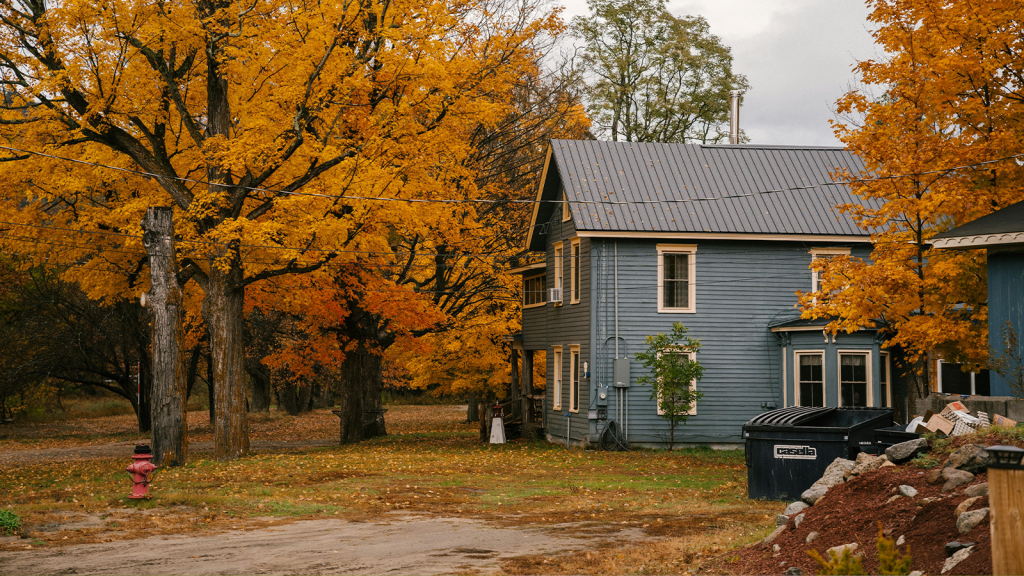
The requirements of your garden also alter with the seasons. Properly transitioning your landscape between seasons ensures that your plants stay healthy and your outdoor space looks beautiful year-round. At LORAND Landscaping & Masonry, we specialize in seasonal garden maintenance to keep your landscape vibrant and thriving. In this guide, we’ll share expert tips on how to transition your garden between seasons with ease.
Plan ahead for seasonal changes
Each season brings unique weather conditions that affect your garden. You can guarantee a smooth transfer by making advance plans. Here’s what to consider:
- Spring Preparation: Get ready for new growth by clearing away debris, pruning, and fertilizing.
- Summer preparation: Pay attention to watering schedules and heat-tolerant plants.
- Fall Transition: Prepare your garden for cooler temperatures with mulching and plant selection.
- Winter Protection: Protect your plants from the elements by covering them and using winter-friendly landscaping materials.
Refresh your soil for optimal growth
A flourishing garden is built on healthy soil. Between seasons, enrich your soil by:
- Adding compost or organic matter to increase nutrients.
- Aerating compacted soil to improve root growth.
- Test the soil’s pH level to ensure proper plant nutrition.
Rotate seasonal plants
Different plants thrive in different seasons. Adjust your garden by:
- Planting seasonal flowers and shrubs such as tulips in spring, sunflowers in summer, chrysanthemums in fall, and evergreens in winter.
- Transplanting delicate plants before temperature extremes hit.
- Remove spent annuals to make room for new seasonal varieties.

Prune and trim for healthy growth
Pruning is necessary to promote new development and preserve the health of plants. Follow these seasonal guidelines:
- Spring: Trim dead branches and encourage fresh growth.
- Summer: Lightly prune to shape plants and remove excess growth.
- Fall: Prune perennials and remove weak branches.
- Winter: Minimal pruning; focus on structural maintenance.
Adjust your watering routine
Changing temperatures and daylight hours affect how much water your garden needs. Keep these tips in mind:
- Increase water during the hot summer months to prevent water loss.
- Reduce water in the fall and winter when plants are dormant.
- Use mulch to retain moisture and protect roots from temperature fluctuations.
Protect plants from extreme weather
Weather changes can stress your plants. Protect them with:
- Mulching to protect roots from temperature changes.
- Row covers or cooling blankets for tender plants in winter.
- Shade structures to protect from overheating.
Maintain your hardscaping features
Weather changes can affect your patio, walkways, and stonework. Make sure they stay in top condition by:
- Cleaning and sealing hardscape elements to prevent cracks and weather damage.
- Checking drainage systems to prevent water pooling and erosion.
- Fixing masonry problems before they become damaged by weather wear.
Introducing seasonal decorations for a fresh look
Enhance your landscape’s appeal by adding:
- Spring and summer planters filled with colorful blooms.
- Autumn decorations like pumpkins and rustic wood accents.
- Winter holiday lights and wreaths to brighten up your yard.
Conclusion
Transitioning your garden between seasons doesn’t have to be complicated. With proper planning, soil care, plant selection, and maintenance, your landscape can remain stunning all year long. If you need professional help, LORAND Landscaping & Masonry is here to help. Contact us today to keep your garden in top shape, no matter the season.